Cash Assistance & Tax Credits › Guide
Government Grant Scams: Red Flags and Safe Checks
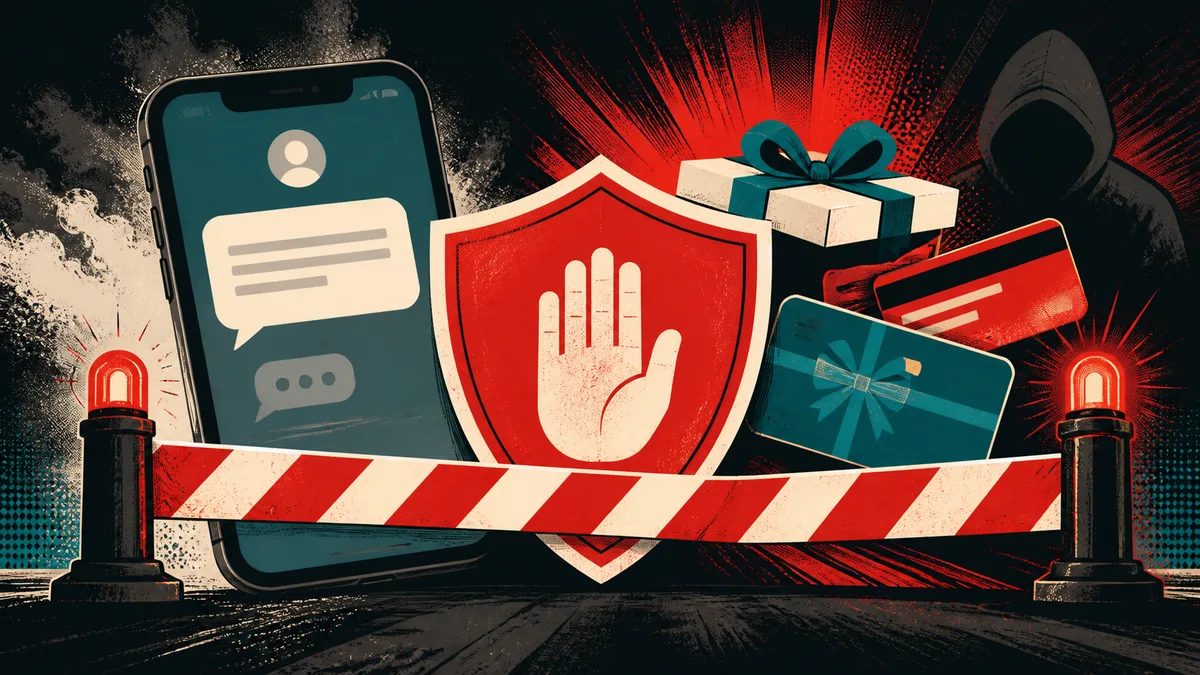
A message that says the government picked you for a personal grant is almost always a scam. Real federal agencies do not call or text to award free money you never applied for.
Never pay a fee or share bank details to release a “grant.”
What are the clearest grant scam signs?
Stop when a caller, text, email, or social post says:
- You won a grant you did not apply for
- You must pay a tax, fee, or shipping cost first
- You must use a gift card, wire, crypto, or payment app
- Approval is sure or open to everyone
- You must act at once or keep it secret
- A social media friend can connect you to an “agent”
A real seal, staff name, or phone number can be copied. Check the agency on its own .gov site.
Does the government give personal grants?
Most federal grants on Grants.gov fund states, schools, nonprofits, research groups, and other organizations. They are not a general source of money for rent, debt, or daily bills.
A few real programs use the word grant for a person, such as a Pell Grant for school or some USDA home repair help. Each has clear rules and a free official form.
Read our honest federal grants guide for the narrow list.
How can you check an offer?
- Do not click the message link.
- Write down the agency and program name.
- Find the agency through USA.gov or its known .gov address.
- Call the number on that official page.
- Ask if the program and contact are real.
A web address ending in .org or .com can be useful, but it is not proof of a federal program.
What should you never pay for?
Do not pay to:
- Get a grant award number
- Release money to your bank
- Join a secret grant list
- Buy a form that a public agency gives free
- Raise your chance of a sure award
A true application can have school or project costs later, but a government caller does not collect a gift card to send grant money.
What if you already paid?
Call the bank, card company, wire service, or payment app at once. Ask if it can stop or reverse the payment. Change any password you shared.
Report the scam at ReportFraud.ftc.gov. If you gave a Social Security number or other ID, use IdentityTheft.gov for a recovery plan.
Where can you find real help?
Use the USA.gov Benefit Finder or our benefits estimator to find programs that may fit. Public benefits can help with food, health care, housing, tax credits, and bills.
Applying for public benefits is free. If debt is the problem, read our debt grant truth guide instead of paying a grant finder.
Why do these scams feel believable?
Scammers use urgent needs, official words, and a small first fee. They may copy a friend's account or say a known person got paid.
Slow down. A real agency will let you check the program through a public page. A scammer tries to keep you inside the message.
Your next step. The free TANF screening guide helps you find your state's cash-assistance rules and application route without guessing a payment amount. All tools →