Cash Assistance & Tax Credits › Guide
Federal Poverty Guidelines: What FPL Means for Benefits
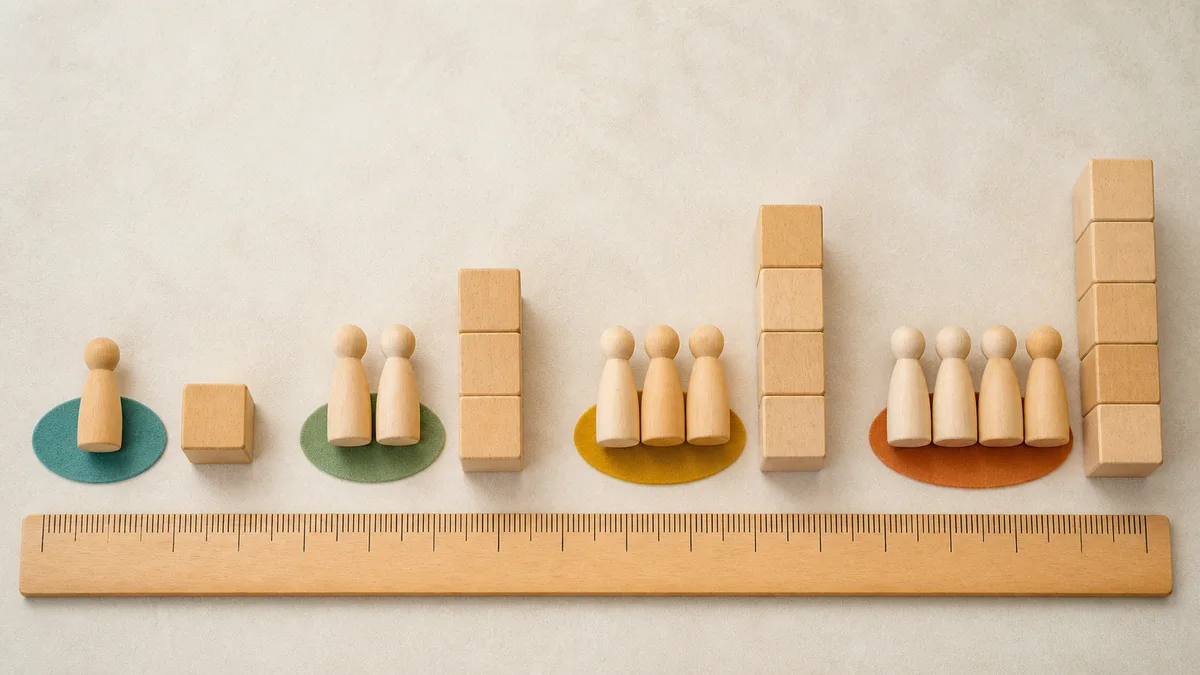
The “federal poverty level,” or FPL, is a common name for the federal poverty guidelines. Many benefit programs compare your household income with a percent of these guidelines.
The guideline is only a starting number. It does not tell you by itself that you can or cannot get a benefit.
What are the poverty guidelines?
The U.S. Department of Health and Human Services updates the guidelines each year. The amount rises as household size rises.
For 2026, these annual figures apply in the 48 states and Washington, D.C.:
| People in the household | 2026 guideline |
|---|---|
| 1 | $15,960 |
| 2 | $21,640 |
| 3 | $27,320 |
| 4 | $33,000 |
Alaska and Hawaii use higher figures. A household with more than four people adds a set amount for each extra person.
Why do programs use a percent of FPL?
A program can set its income line above or below the base guideline. For example, a rule might use 100%, 135%, or 185% of FPL.
That percent lets the rule rise with household size. It also lets the rule update when HHS posts a new year.
Programs do not all use the same percent. SNAP, Medicaid, WIC, school meals, energy help, and phone help each have their own rules.
How do you find your FPL percent?
- Find the guideline for your household size and state.
- Find the yearly income the program tells you to use.
- Divide the income by the guideline.
- Move the decimal two places to turn it into a percent.
You can also use our free FPL calculator. It does the math but does not decide if you can get a benefit.
Who counts in the household?
The answer depends on the program. It may use a tax household, people who buy food together, or people named on one benefit case.
Do not count people only because they share an address. Read the program's own household rule. A roommate may count for one program and not another.
Does gross or net income count?
That also depends on the program. Gross income is pay before many costs come out. Net income is what is left after the program allows certain costs.
A SNAP case may look at both gross and net income. A health program may use tax-based income. Another program may count a benefit that a different program leaves out.
Use the income word printed on the form. Do not assume that take-home pay is the right number.
Are guidelines and poverty thresholds the same?
No. The Census Bureau uses poverty thresholds to count how many people live in poverty. HHS uses poverty guidelines for many program rules.
The two sets are related, but they have different jobs. A benefit form usually means the HHS guidelines when it says FPL.
Why are Alaska and Hawaii different?
HHS publishes one table for the 48 states and D.C., one for Alaska, and one for Hawaii. The Alaska and Hawaii figures are higher.
U.S. territories may use other rules. The program office can tell you which table it uses.
What should you check before applying?
- The rule year
- Your program's household rule
- The type of income it counts
- The FPL percent it uses
- Your state or local rules
FPL is a measuring tool. It is not a yes-or-no answer. Use it for a first check, then let the agency review the full form.
Your next step. The free TANF screening guide helps you find your state's cash-assistance rules and application route without guessing a payment amount. All tools →
Sources
- HHS ASPE - Poverty Guidelines (2026)
- HHS ASPE - Poverty Guidelines FAQ
- USDA ERS - 2014 Farm Act Maintains SNAP Eligibility Guidelines
- 42 CFR 435.119 - Medicaid MAGI-based adult group (govinfo.gov)
- Lifeline Support - How to Qualify
- 42 U.S.C. 8624 - LIHEAP income eligibility statute (govinfo.gov)
- USDA ERS - WIC Program
- USDA ERS - School Breakfast Program income thresholds
- 42 CFR 435.603 - Medicaid MAGI-based methodologies, 5% income disregard (govinfo.gov)