Disability Benefits › Guide
SSDI vs. SSI: Which Disability Benefit Fits Your Case?
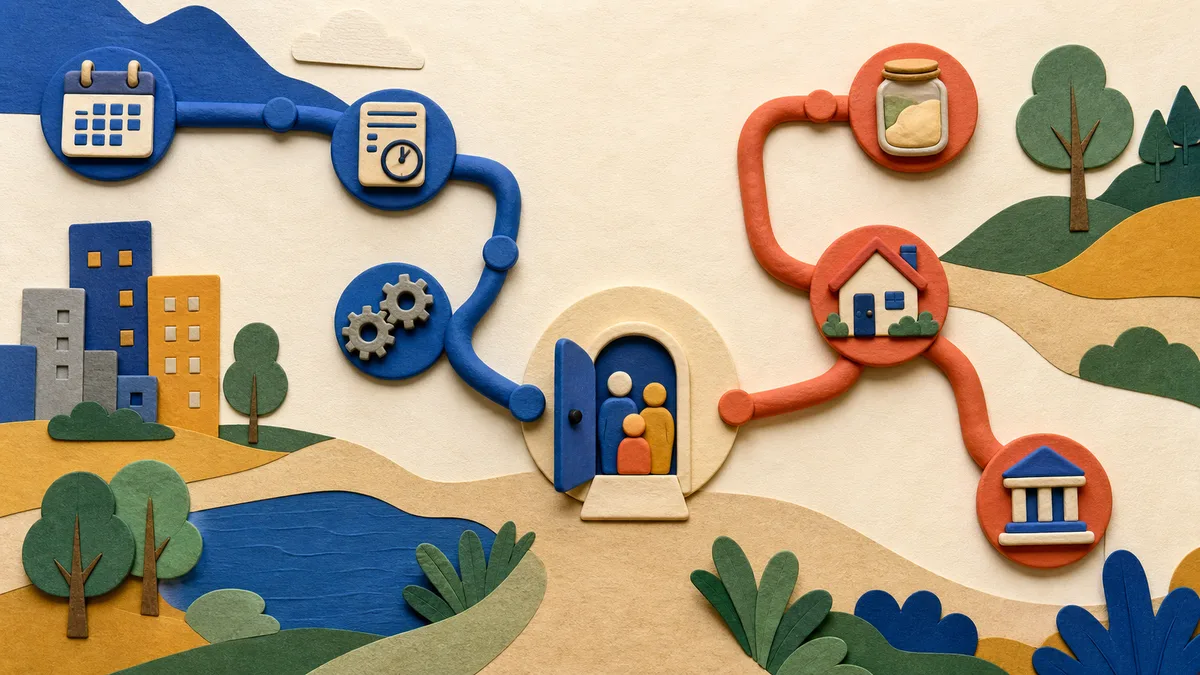
SSDI is tied to your work record. SSI is tied to low income and few resources. Both use SSA's strict disability test, and some people can get both.
Do not choose a program on your own. When you apply, ask SSA to check every path that may fit.
What is SSDI?
Social Security Disability Insurance is an earned benefit. You build coverage by working and paying Social Security tax.
Many adults need 40 work credits, with 20 earned in the ten years before the disability began. Younger workers may need fewer. In 2026, $1,890 in covered pay earns one credit, up to four for the year.
Your past covered pay helps set the check. SSDI has no savings limit.
What is SSI?
Supplemental Security Income is a needs-based benefit. It may help an adult or child who is blind or has a disability. It may also help a person age 65 or older without a disability.
In 2026, the top federal SSI check is $994 a month for one person or $1,491 for a couple. Other income, housing help, and state money can change the amount.
The basic resource limit is $2,000 for one person and $3,000 for a couple. A home you live in and one car often do not count.
Is the disability rule the same?
For most adults, yes. SSA must find that a health problem stops you from doing work at a set level and is expected to last at least 12 months or end in death.
SSA does not pay for a short or partial disability. It looks at health records, work, age, skills, and what work you may still be able to do.
In 2026, the main work level is $1,690 a month for a person who is not blind and $2,830 for a person who is blind. Special work rules can apply, so do not use pay alone to end a claim.
Can you get SSDI and SSI together?
Yes. SSA calls this concurrent aid. It can happen when an SSDI check is low and the person also meets the SSI income and resource rules.
SSI will count the SSDI check as income. This often makes the SSI check smaller. The two checks are not both paid at the top amount.
When do health benefits start?
SSDI can lead to Medicare after the program's waiting rules. SSI often links to Medicaid, but the path differs by state.
Ask what health coverage can help while a claim is open. A Marketplace plan or state Medicaid may be a bridge.
Can you work while you apply or get a check?
Work does not always close the door. Yet pay, hours, duties, and help at work matter. Report all work to SSA.
SSDI has trial work and other return-to-work rules. SSI leaves out part of some work pay before it cuts the check. Read our Ticket to Work guide before you make a large change.
What should you gather?
- Names and dates for doctors and clinics
- A list of medicine and tests
- Jobs, dates, tasks, hours, and pay
- Tax forms and recent pay stubs
- Bank and housing facts for SSI
- School records for a child claim
Tell SSA what a bad day looks like. Give real examples of tasks you cannot finish, not only the name of the illness.
How do you apply?
Apply through SSA online, by phone, or with an office. The form is free. Ask if SSA is checking SSDI, SSI, or both.
If the claim is denied, read the reason and appeal date. Do not start a brand-new form when an appeal is the right step. If retirement is also part of the case, read our SSI and retirement guide.